
March 17, 2026
Agency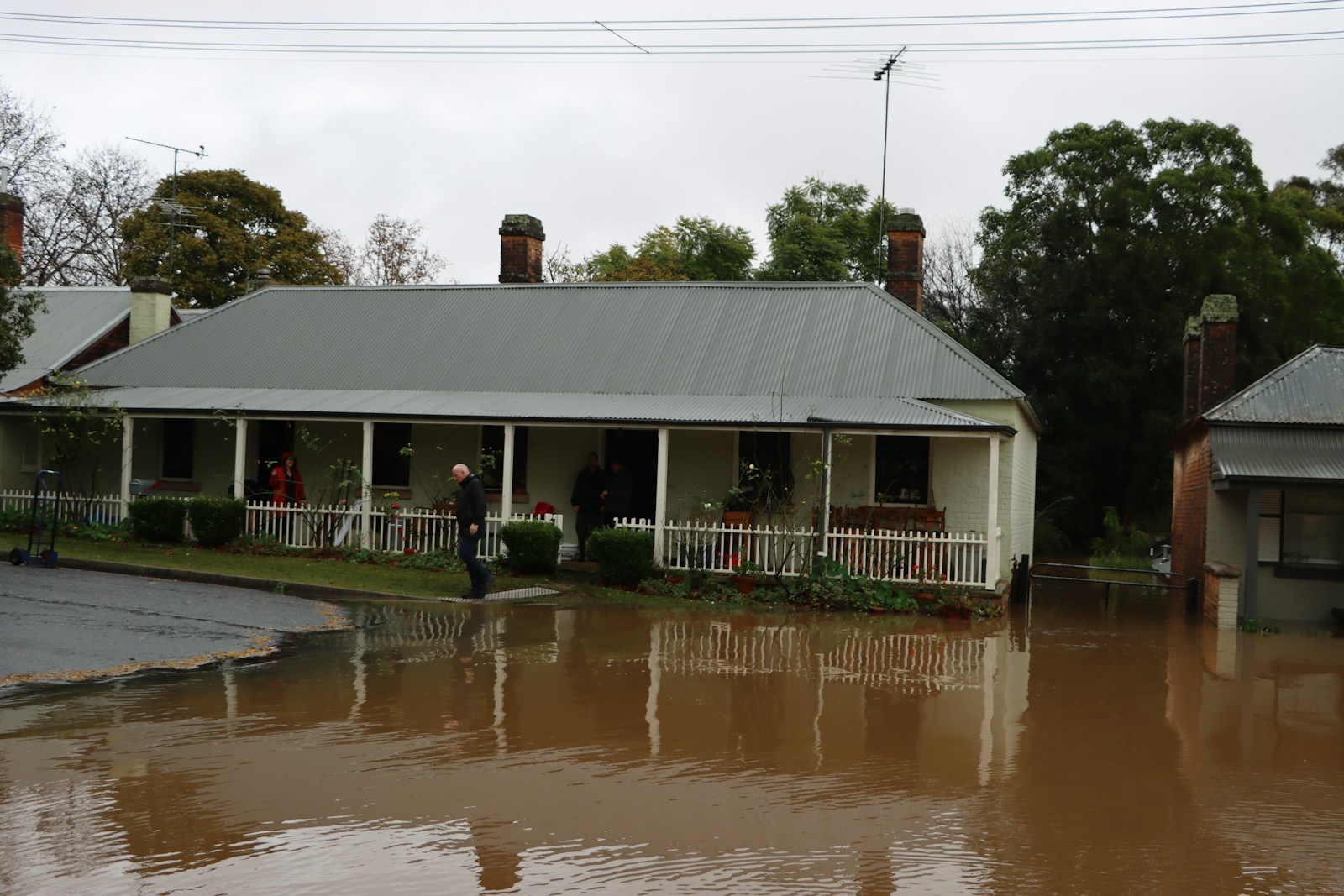
Key Differences Between Flood and Homeowners Insurance Policies
Many people assume their standard homeowners insurance policy covers them from all types of water damage, but this isn’t the case, particularly when it comes to floods.
At Etler-Kettenacker Agency, we want to help our clients make informed decisions about their coverage and avoid costly surprises.
What Does Homeowners Insurance Cover?
A typical homeowners insurance policy can cover damage caused by risks such as fire, certain natural disasters, theft and vandalism. It can also protect your finances if you’re held liable for causing bodily injuries or property damage to a third party.
However, standard policies specifically exclude damage caused by heavy rain, overflowing rivers, rapid snowmelt or other forms of water intrusion. This means if your home is affected by a flood, your policy likely will not cover the cost of repairing or rebuilding your property.
What Does Flood Insurance Cover?
Flood insurance is a separate policy that covers damage to your home’s physical structure and your personal belongings directly caused by external flooding. This is typically offered by private insurers and the National Flood Insurance Program (NFIP). Flood insurance is usually required in high-risk areas if you have a mortgage, but it can be a wise purchase for any homeowner.
Why Might You Need Both to Cover Water Damage?
Your regular homeowners insurance won’t cover flood damage from outside sources, but endorsements may be available to cover other forms of water damage. For example, water backup and sump overflow coverage can help if your sump pump fails or if a sewer backs up into your home, which are perils not covered by flood insurance.
Contact Etler-Kettenacker Agency today if you have questions about your current coverage or are interested in exploring your options.
This blog is intended for informational and educational use only. It is not exhaustive and should not be construed as legal advice. Please contact your insurance professional for further information.
Categories: Blog, Homeowners Insurance